

There have been strategic bilateral agreements signed by the Sultanate of Oman and the UK to enhance cooperation in modern space technologies and the usage of artificial intelligence in the education field.
The signing of these strategic deals took place during the visit of His Majesty Sultan Haitham bin Tarik to London. This prestigious diplomatic meeting marks cooperation between both nations that started historically long ago, with cooperation being developed today in sectors related to frontier technologies, which are vital in the context of the modern economy and its diversification.
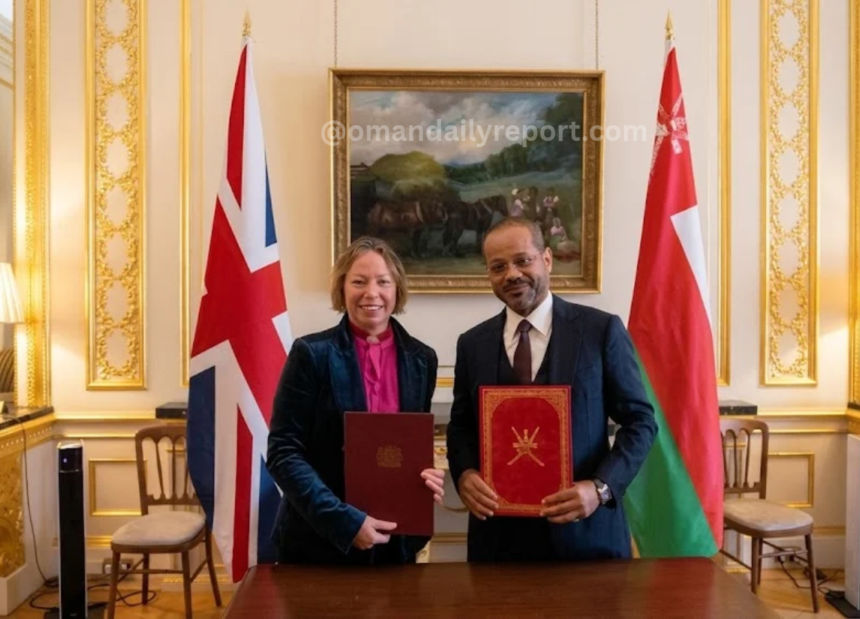
On behalf of the Sultanate of Oman, the deal was signed by Sayyid Badr bin Hamad Al Busaidi, Foreign Minister, and Dr. Madiha bint Ahmed Al Shaibani, Minister of Education. Counterpart signatories included Dr. Alice Bunn, Co-Director of the UK Space Agency, and Scott McDonald, Chief Executive of the British Council.
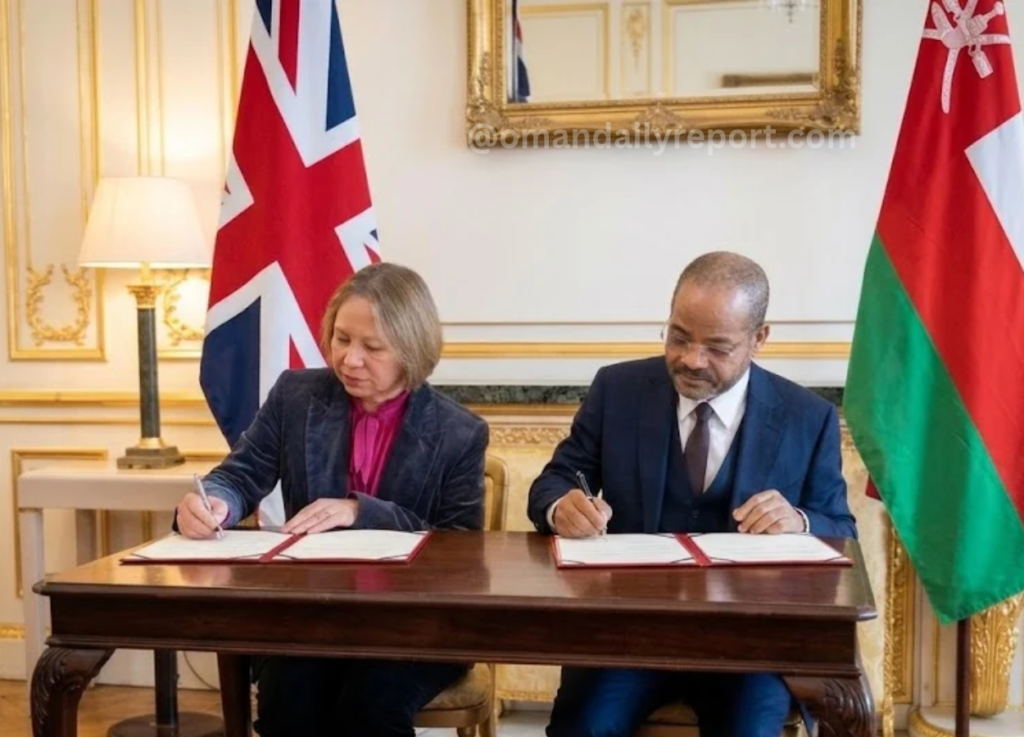
The initial agreement focuses on strengthening partnerships within the space sector, creating pathways for joint scientific research, the exchange of regulatory expertise, and innovation in space policies between the two governments. Meanwhile, the second framework addresses the integration of artificial intelligence in educational environments, emphasizing teacher capability-building, English language proficiency enhancement, and secure digital adoption in classrooms.
Dr. Madiha bint Ahmed Al Shaibani noted that the partnership aligns closely with the objectives of Oman Vision 2040, which prioritizes digital transformation and future-ready workforce competencies. As part of this educational initiative, a pilot project will be deployed in designated secondary schools across the Sultanate. The program targets student communication skills, higher education readiness, and labor market preparedness.
Furthermore, the initiative incorporates rigorous safeguards for data privacy and safe technology usage, ensuring that pedagogical tools powered by AI are utilized responsibly. Both governments intend to evaluate the pilot phase using predefined metrics to guide potential future expansion across national curricula. This collaborative effort underscores a shared commitment toward advancing innovative learning environments and accelerating regional technological progress.