

A new booklet that shows how important Al Hajar Geopark is has been released as part of Oman’s work to encourage tourism and to show off the country’s amazing geological history. The booklet is meant to show visitors, students and researchers the natural areas that have made the geopark well known around the world and to help people understand the need to take care of the environment.
The booklet talks about the cultural and environmental value of the Al Hajar area. It lists main places to visit and explains how smart tourism can help keep these natural places safe for people who come after us. People in charge say this project fits with Oman’s plan to change its tourism industry by pushing for trips that focus on nature learning and history while also helping the people who live in the area.
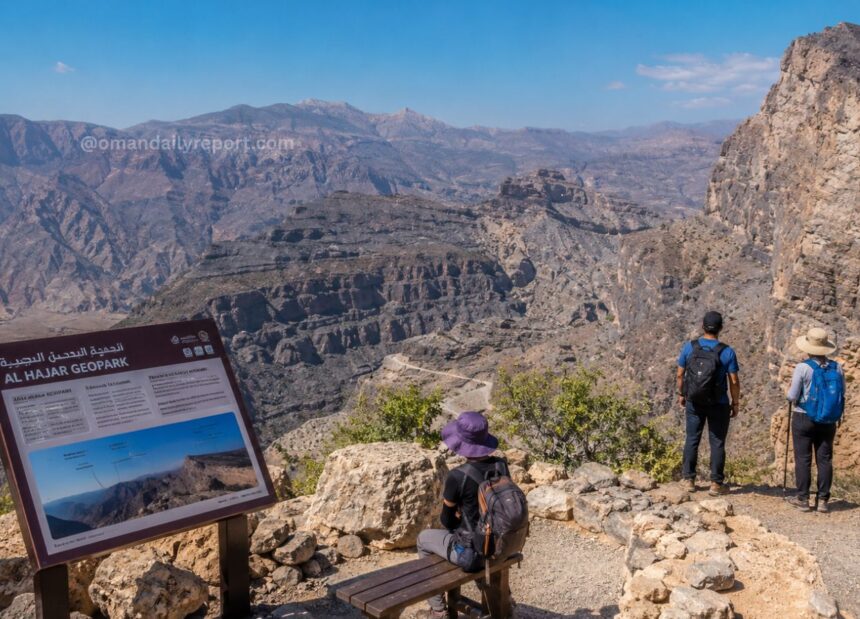
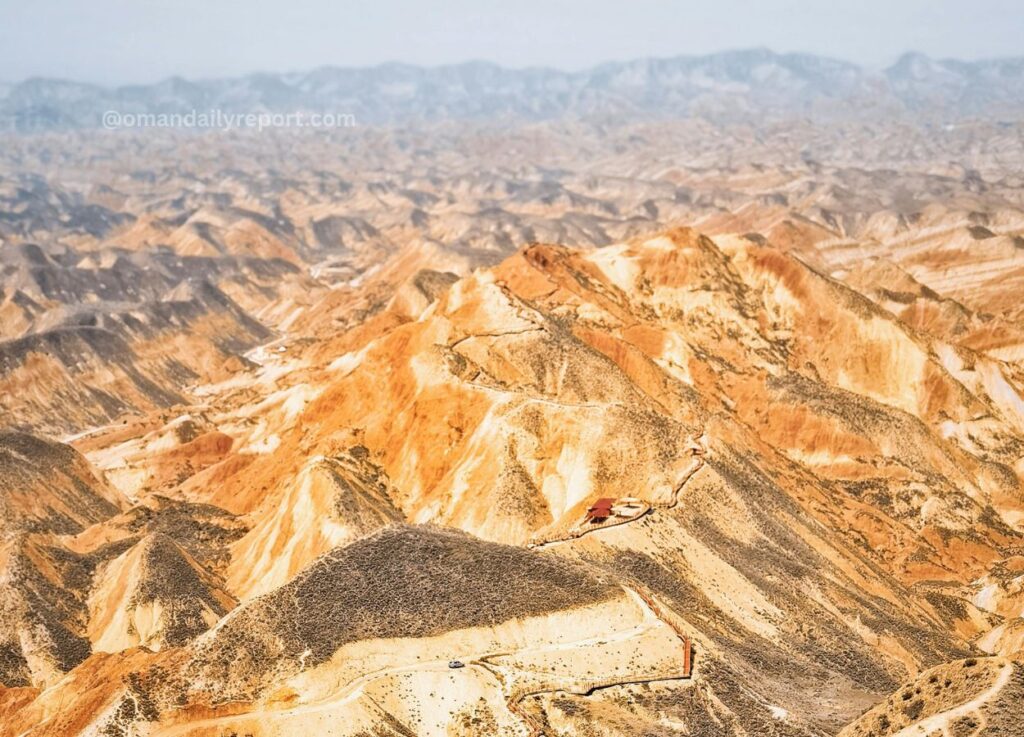
Al Hajar Geopark is renowned for its dramatic mountain formations, ancient rock layers, caves, valleys and fossil sites that reveal millions of years of Earth’s history. The publication offers readers an accessible overview of these features, helping visitors better understand the scientific value of the area before exploring its landscapes. It also highlights the importance of protecting fragile ecosystems and respecting designated visitor guidelines to minimise environmental impact.
The booklet forms part of ongoing initiatives to strengthen geotourism in the Sultanate by encouraging visitors to engage with natural sites in a responsible manner. By combining educational content with practical information, the publication aims to enhance the visitor experience while increasing appreciation for Oman’s rich geological diversity. Authorities believe greater public awareness can play a key role in conserving nationally significant sites and promoting environmentally conscious travel.
Officials noted that sustainable tourism continues to be a priority for Oman as it expands tourism offerings beyond traditional destinations. Through projects such as the Al Hajar Geopark booklet, the country hopes to attract more travellers interested in nature, science and outdoor exploration while ensuring that conservation remains central to future tourism development. The initiative reflects Oman’s commitment to balancing economic opportunities with the long-term protection of its natural heritage.