

Oman has gotten support from Gulf states for a plan that would create a system to manage the Strait of Hormuz. This system would let Iran get money from shipping companies that use the Strait of Hormuz. The goal of this plan is just to make the Strait of Hormuz a safer place for ships to travel through. It would also help protect the ships and reduce problems in this important area.
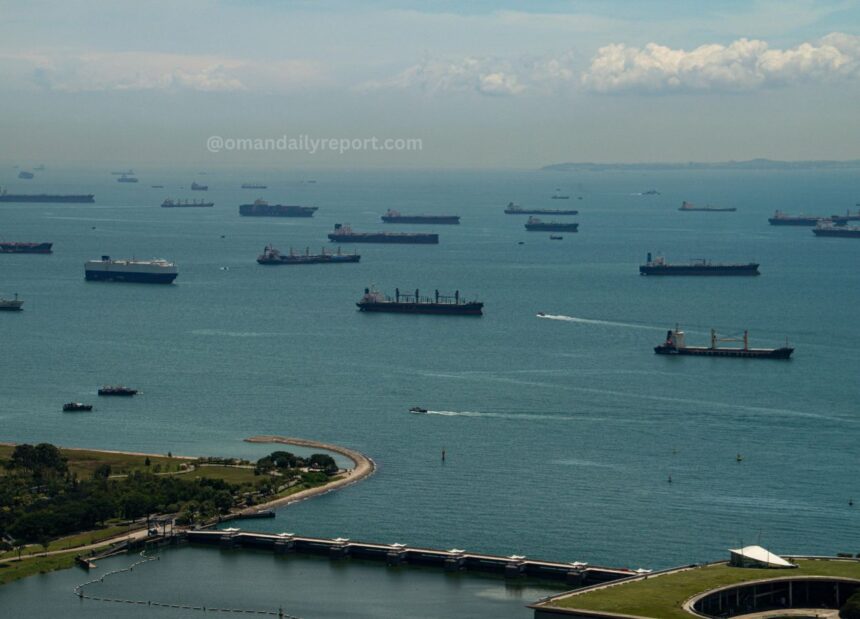
The idea is to just make a system that works together like the one used in the Strait of Malacca. Shipping companies would have to pay a fee or charge to pass through the Strait of Hormuz, but only if they choose to use that route. This money would be used for things like helping ships navigate searching for and rescuing people, protecting the environment and keeping the Strait of Hormuz safe. The Strait of Hormuz is an important place and this plan is meant to make it even safer for shipping companies to use the Strait of Hormuz.
According to Reuters, several Gulf countries have expressed support for the Omani initiative as part of broader efforts to enhance regional cooperation.
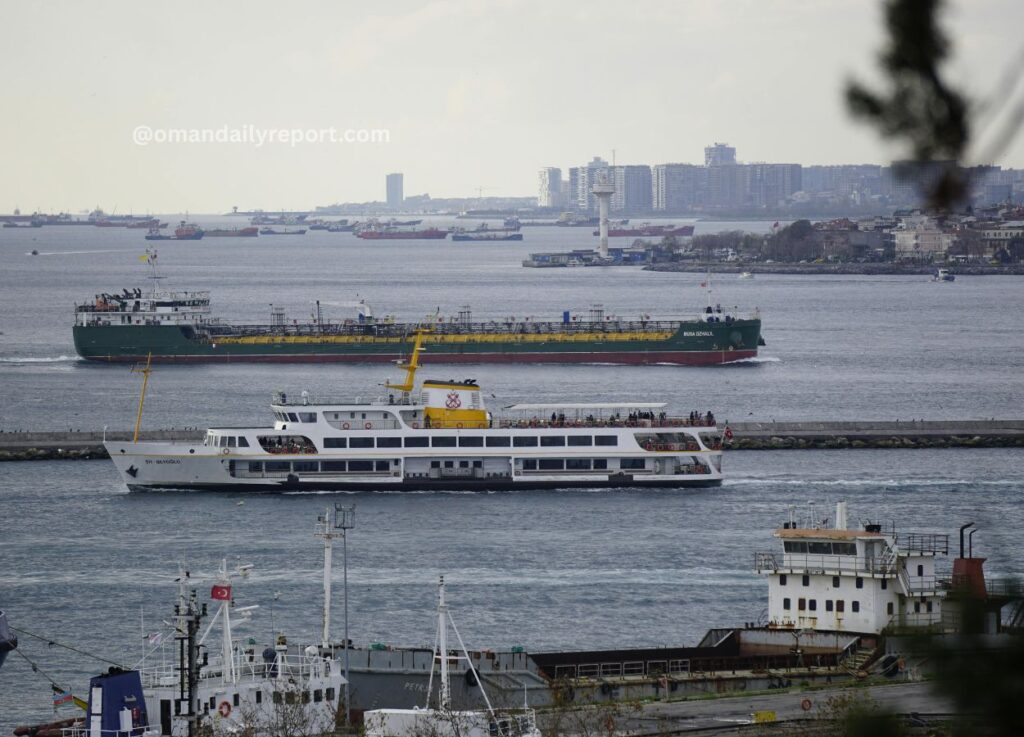
Officials familiar with the discussions said the proposal is intended to provide a practical solution that balances the interests of Gulf states, Iran and the international shipping industry. The Strait of Hormuz carries around one-fifth of the world’s oil trade and a significant share of global liquefied natural gas exports, making uninterrupted maritime traffic essential for global energy markets and supply chains.
The initiative also reflects Oman’s longstanding role as a regional mediator, with Muscat promoting dialogue to reduce geopolitical tensions and encourage cooperative security arrangements. Supporters believe a jointly managed mechanism could improve confidence among commercial shipping operators while helping maintain stability in the Gulf following months of heightened regional uncertainty.
Despite receiving backing from Gulf countries, the proposal faces challenges. Reuters reported that Iran has since rejected the concept of joint regional management, arguing that the proposed framework does not adequately reflect Tehran’s position on overseeing the strategic waterway. As a result, negotiations are expected to continue as regional governments explore options for safeguarding freedom of navigation while addressing national security concerns.
Although no final agreement has been reached, Oman’s proposal has placed regional maritime cooperation at the centre of diplomatic discussions, underscoring the importance of maintaining safe and uninterrupted shipping through one of the world’s most strategically significant sea lanes.