

The Sultanate of Oman saw a jump in its tea and coffee foreign trade from 2021 to 2025. The country spent a lot of money on imports with the total coming to RO 49.2 million a year.
The National Centre for Statistics and Information released some numbers that show people in Oman are drinking tea and coffee. This is because of changes in the way people live and a growing food and beverage sector.
The numbers from the National Centre for Statistics and Information also show that tea imports went up a lot. The value of tea imports increased by 103.2 percent going from RO 13.9 million in 2021 to RO 28.2 million in 2025.
The amount of tea shipped into the country also grew, going from 9.3 million kilograms to 26.2 million kilograms, which’s a big increase of 182.1 percent, over the same time period. The Sultanate of Oman tea imports are really going up.
The Republic of Kenya established itself as the primary source of tea for the Omani market in 2025, accounting for RO 20.2 million in trade value.
The United Arab Emirates ranked second as a supply hub with RO 4.7 million, followed by India with RO 1.1 million. Omani merchants also engaged in outbound distribution, generating RO 1.03 million through tea re-exports.
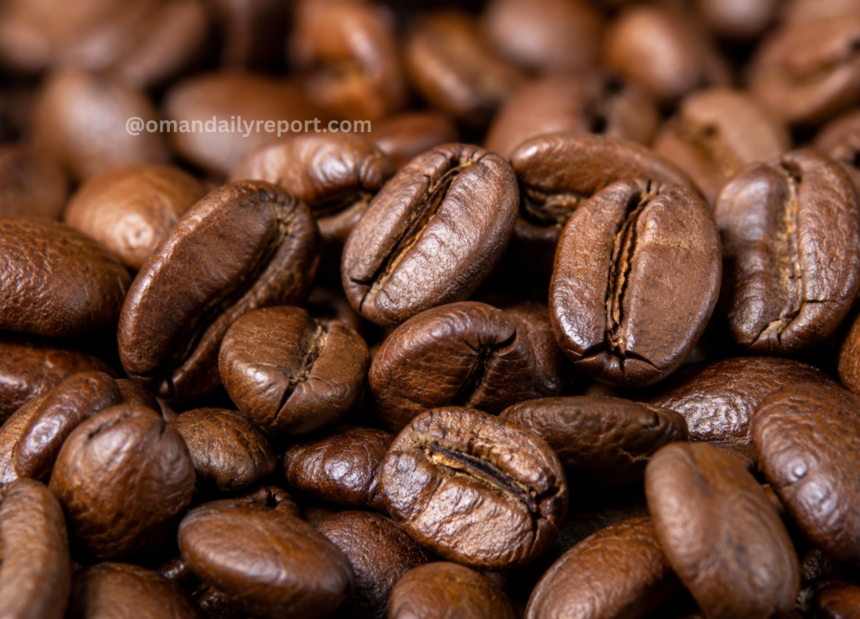
Concurrently, coffee imports demonstrated parallel upward momentum, recording a 144.1 percent jump in total monetary value to reach RO 21 million in 2025, compared to RO 8.6 million in 2021.
Volume-wise, incoming coffee shipments rose by 23.9 percent, climbing from 6.2 million kilograms to 7.7 million kilograms.
The United Arab Emirates emerged as the leading origin for Omani coffee purchases in 2025 at RO 8.5 million, followed by Vietnam (RO 2.6 million), Saudi Arabia (RO 1.6 million), and Brazil (RO 1.5 million).
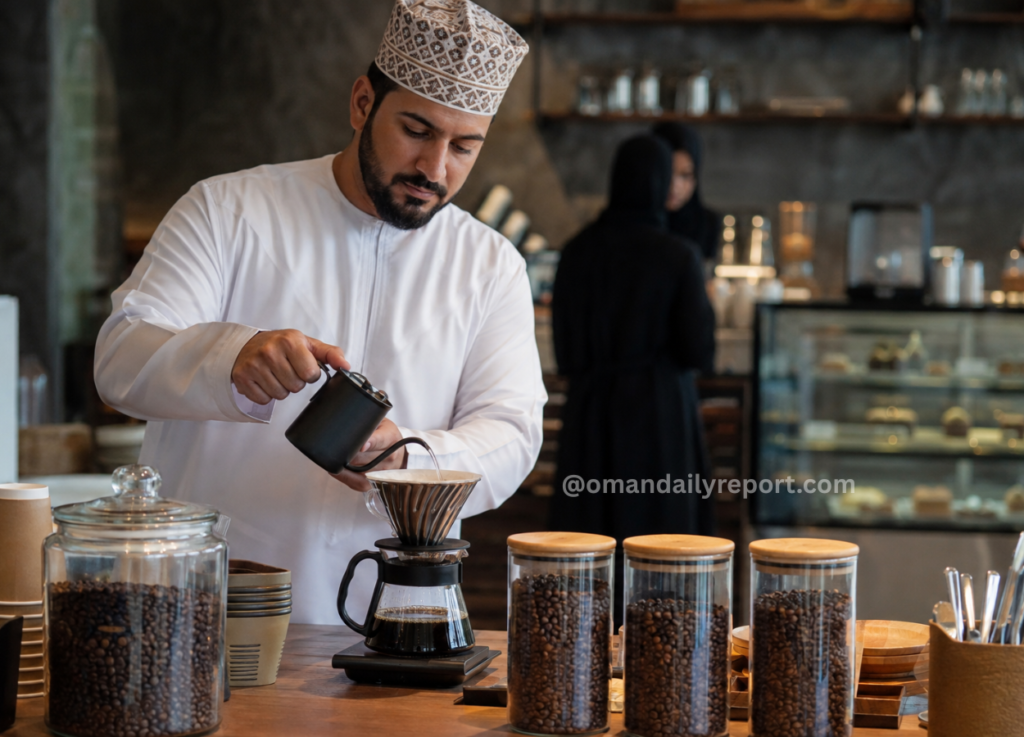
Additionally, consumer interest in specialized brewing gear reflected strongly in the market, with imports of tea and coffee utensils and accessories valued at RO 5 million in 2025.
This sustained growth in beverage trade closely aligns with the rapid physical expansion of Oman’s hospitality and dining enterprise landscape.
National registry figures show the country now accommodates 6,295 commercial outlets primarily serving meals, 6,198 full-service restaurants, and 2,833 specialized beverage establishments, alongside 427 mobile catering units and 65 public institution canteens.