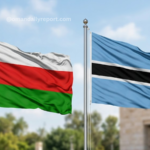


Oman and Rwanda strengthening Economic and Diplomatic Ties essay with the Sultanate of Oman and the Republic of Rwanda embarking on a path of increased economic and diplomatic cooperation, their historical ties dating back to more than four decades are set to grow richer and more multidimensional.
While the two nations established diplomatic relations in 1982, the most recent developments point to the dynamic nature of the ties between Oman and Rwanda.
In this regard, it is important to note the similarities between Oman Vision 2040 and Rwanda Vision 2050, which both outline the general approaches to the development of knowledge-based economies in the two countries.
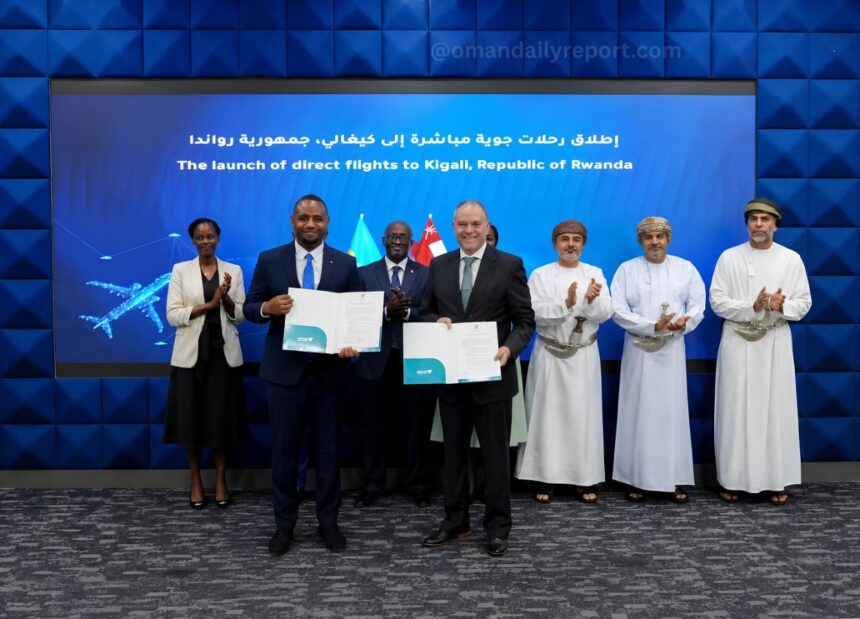
It is noteworthy that an essential boost to the economic cooperation between Oman and Rwanda was provided in January 2026, during which four agreements were signed in the areas of logistics and dry ports, supply chains, data centers, cloud computing, and artificial intelligence.
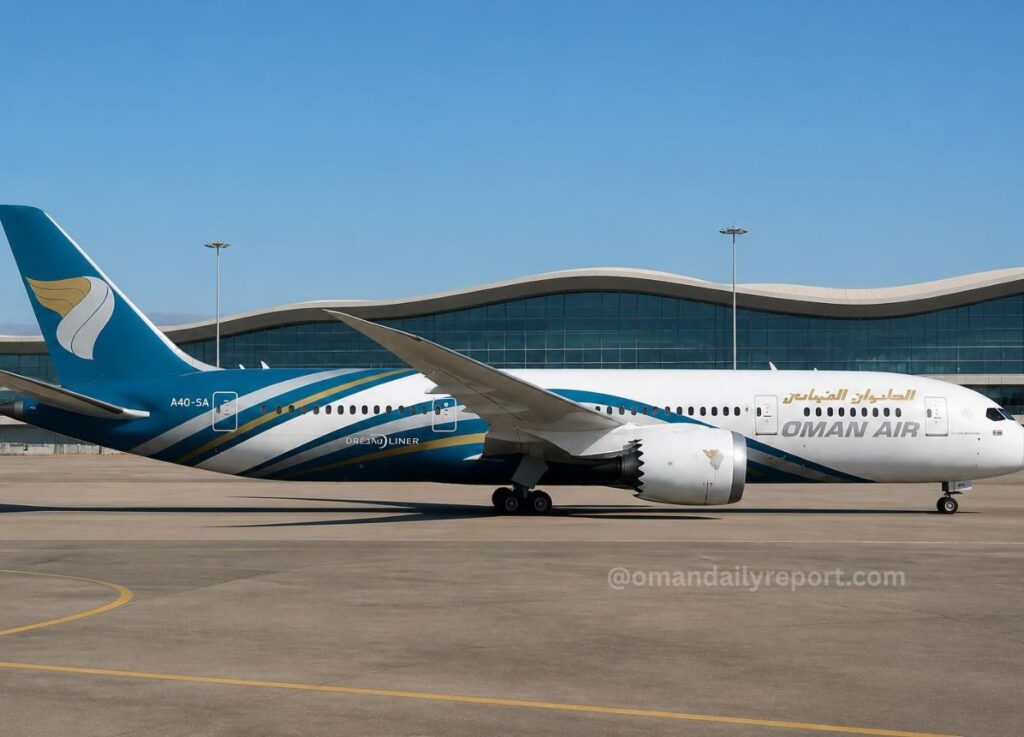
Besides, the two nations have begun exploring the opportunities of cooperation in airport management and enhancing air connectivity.
Trade ties have followed a similar upward trajectory. More than 80 Omani firms took part in the Omani Products Exhibition in Kigali, presenting goods spanning food, plastics and construction materials to the Rwandan market.
The event proved more than symbolic, generating concrete commercial agreements, including arrangements for Omani industrial exports and for the registration, marketing and distribution of Omani pharmaceutical products within Rwanda, giving Omani businesses a foothold in the East African market.
Physical connectivity has caught up with the diplomatic and commercial momentum, with new direct flights now linking Muscat and Kigali. The route is expected to ease travel for business delegations and tourists alike while reinforcing Oman’s broader ambition to serve as a bridge between the Gulf and East Africa.
Taken together, the agreements, trade exhibitions and new flight route point to a partnership that officials on both sides view as a template for wider Middle East-Africa collaboration, with further opportunities expected to open up across logistics, technology and tourism in the coming years.