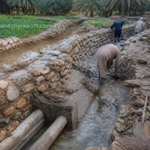


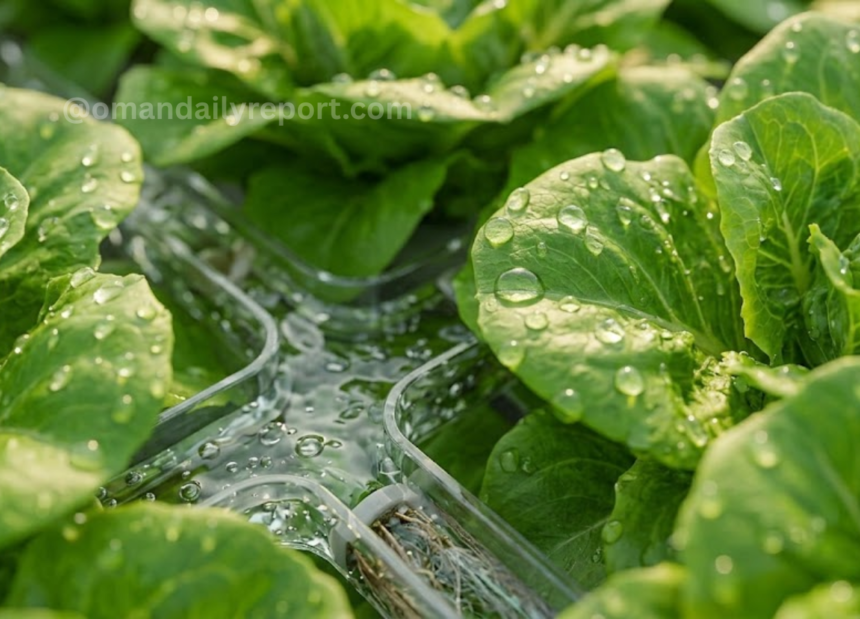
Researchers at Sultan Qaboos University have proven that there is a possibility of harvesting water from the atmosphere and using the same to cultivate crops under hydroponic conditions powered by solar energy in a sustainable way in the dry areas of Oman. Oman air to water tech
The project, known as “Feasibility Study to Harvest Water from Air and Use it in Salt-affected Lands,” has been conducted under the leadership of Dr. Ahmed Al Busaidi, College of Agricultural and Marine Sciences. The project has been funded by the Strategic Research Program of the Research and Innovation Authority along with the Ministry of Agriculture, Fisheries, and Water Resources.
To assess geographic efficiency, Dr. Al Busaidi’s team mapped environmental conditions across the Sultanate. The findings indicated that southern border regions near Saudi Arabia and Yemen offer ideal conditions for agricultural moisture capture, whereas northern coastal stretches are suited for industrial and potable uses. Meanwhile, central territories showed strong potential for hybrid applications providing both drinking and irrigation water.
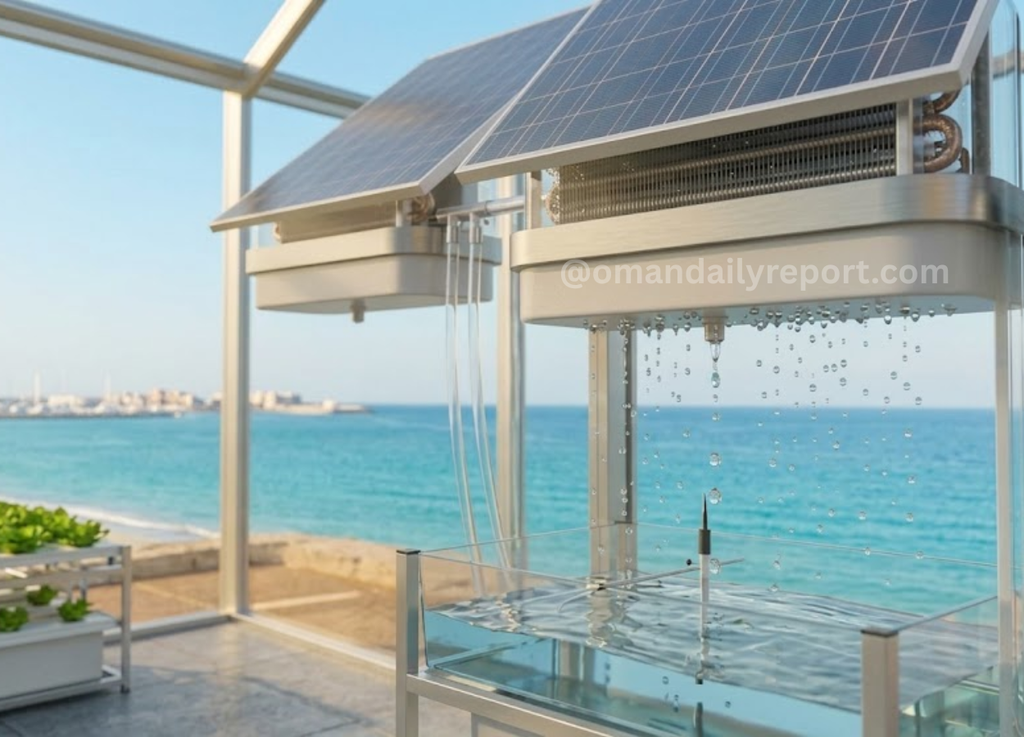
Field tests utilizing specialized atmospheric water generators powered by solar energy yielded between 40 to 100 liters of freshwater daily per unit, depending on relative humidity and machine specifications. The harvested water was directly fed into a custom-built, climate-controlled greenhouse running a modern hydroponic setup.
Comparative trials revealed dramatic growth performance enhancements over traditional open-air farming. Tomato plants cultivated inside the sustainable greenhouse structure achieved an average height of 186 centimeters and a chlorophyll reading of 25.5, compared to just 76.5 centimeters and an 8.23 chlorophyll index for outdoor crops. Hydroponic lettuce likewise recorded vastly superior foliage expansion and nutrient density.
The integrated framework delivers economic stability by enabling year-round crop yields, insulating farmers against seasonal losses. Moreover, self-generated solar power significantly reduces utility overheads, while excess electricity can be redirected back to the national grid to unlock supplementary revenue streams.
Dr. Al Busaidi emphasized the need for automated solutions, recommending artificial intelligence to manage nutrient and pH variations dynamically within hydroponic circuits. Expandable applications include introducing high-value medicinal flora and exotic fruit varieties to advance national food security objectives. Oman Daily Report