

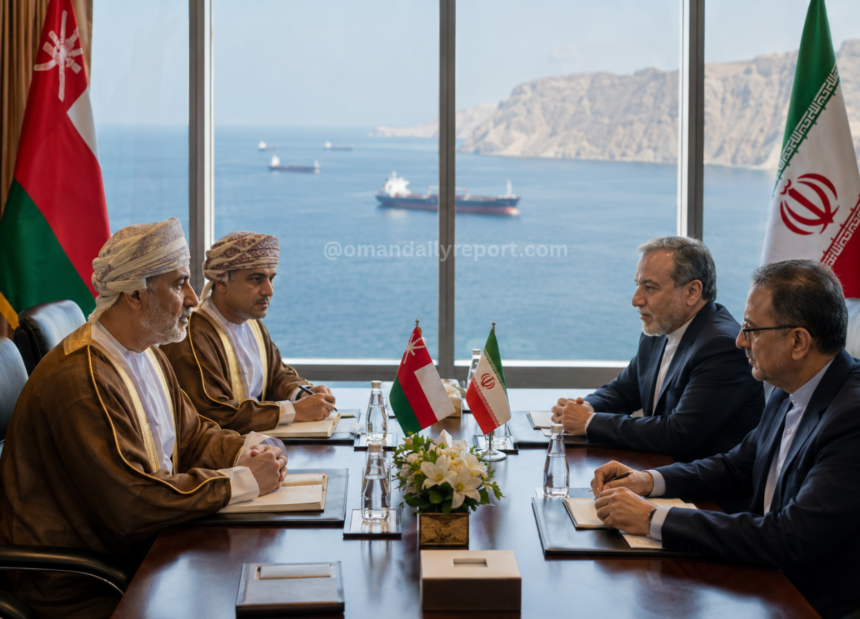
A potential deal between Oman and Iran on the Strait of Hormuz could quickly result in the lifting of commercial traffic restrictions and the opening of a new security arrangement for the region.
U.S. official said the discussions between Muscat and Tehran are ongoing and an agreement could be reached in the near future. Washington would then lift its blockage of Iranian ports after a deal announcing free commerce traffic through the strategic waterway takes effect.
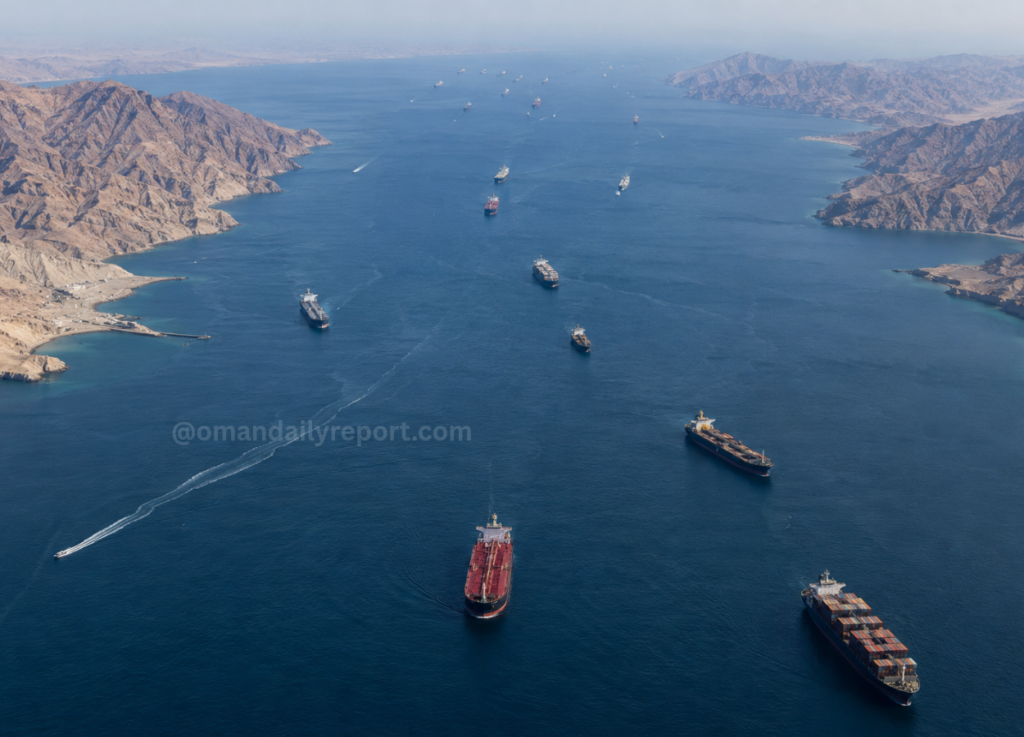
Meanwhile, steps are being taken to restore order to shipping through the Strait of Hormuz, one of the most important trade routes in the world. Any prolonged disruption in Hormuz can have wider implications for energy supplies and international trade because of the waterway’s importance to Gulf shipping.
The US official stressed that Washington’s response would depend on Iran carrying out its commitments. This means any easing of US measures would be linked to concrete implementation rather than being offered unconditionally. Iran has also indicated that the discussions have moved beyond preliminary contacts.
A spokesperson for the Iranian parliament’s National Security and Foreign Policy Committee said a broad framework had been agreed with Oman, although final approval from Iran’s senior leadership is still required. Tehran appears to be seeking a wider regional approach to managing security in and around the Gulf.
Iranian Deputy Foreign Minister Kazem Gharibabadi said Gulf security should be handled by the countries of the region rather than external powers, highlighting Tehran’s preference for a regional security mechanism.
Oman’s role is particularly significant because of its position on the Strait of Hormuz and its longstanding ability to maintain diplomatic channels between countries that have strained relations.
For Washington, a successful arrangement could provide a route towards restoring freer commercial navigation while reducing immediate pressure around the waterway.
For Iran, it could ease maritime restrictions while advancing its argument that Gulf states should take greater responsibility for regional security. However, the agreement is not yet final.
Its implementation, the conditions attached to reopening shipping and the broader security framework sought by Tehran will determine whether the emerging understanding develops into a durable regional arrangement.