



The Sultanate of Oman hosted the 30th Arab meeting of judicial inspection leadership in Dhofar, where delegates from 14 countries gathered to discuss modernizing systems, the use of technology, and the setup of regional benchmarks for judging how the courts operate. This conference held at the invitation of Oman’s Supreme Judicial Council provided a platform for discussion aimed at improving the judicial review system. Arab Judicial Inspection Conference
Delegates discussed approaches to shift away from the conventional audit method and towards a preventive mechanism for judicial oversight. Discussion revolved around using automation to analyze the effectiveness of the courts and cut down on the time consumed in trials. Omani delegates came up with a proposal of an Arab index to judge the quality of judicial decisions.
The framework explores utilizing artificial intelligence to review ruling structures and legal reasoning without replacing human discretion. Representatives from participating countries—including Iraq, Algeria, Lebanon, Syria, and Kuwait—offered insights on using automated systems for research while managing algorithmic bias and maintaining data confidentiality.
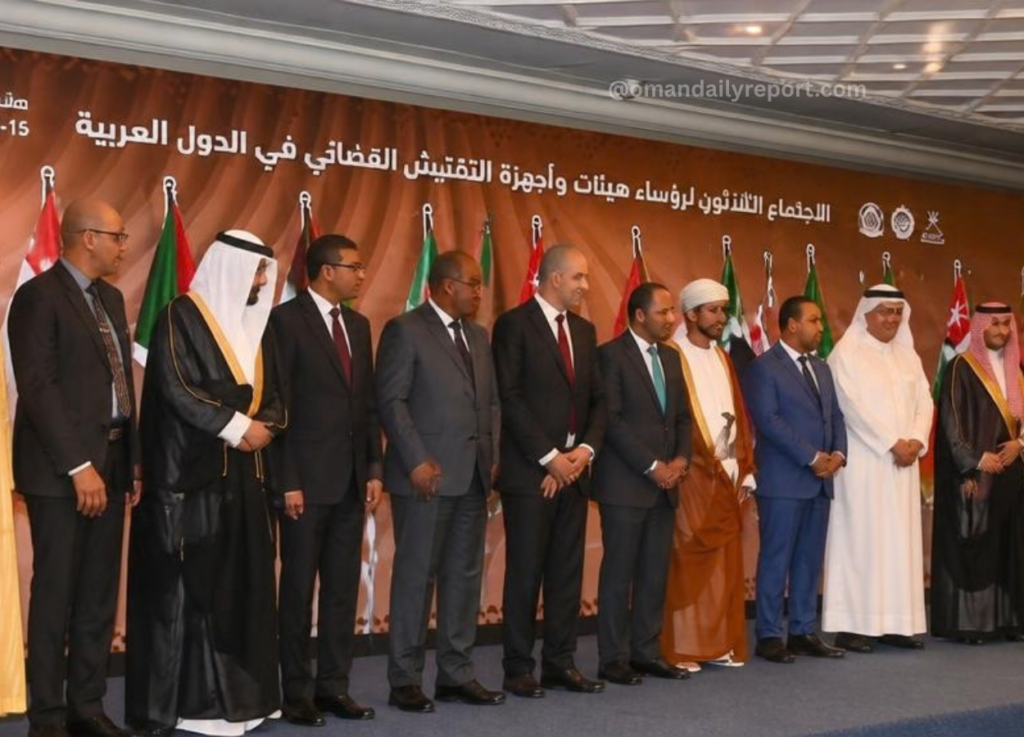
Delegates approved foundational criteria for the Arab Award for Judicial Inspection Works, intended to encourage innovation in regional legal monitoring. The conference concluded with unified recommendations, such as adopting common procedural standards, linking evaluation frameworks to judge training programs, and formulating ethical guidelines for integrating smart tools into legal environments.
Additionally, the participants finalized research priorities for the 31st annual session in 2027, focusing on total quality management in court facilities and balancing operational assessments with judicial independence.
Furthermore, regional experts emphasized that establishing standardized metrics will strengthen public confidence in Arab legal systems while expediting cross-border legal cooperation. By institutionalizing continuous professional development alongside modern technological safeguards, participating states aim to create a flexible judicial infrastructure capable of adapting to complex emerging cases. Officials highlighted that these collaborative efforts mark a crucial milestone in aligning regional judicial practices with international standards of accountability, fairness, and structural efficiency. Oman Daily Report