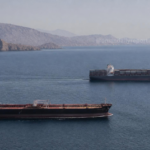


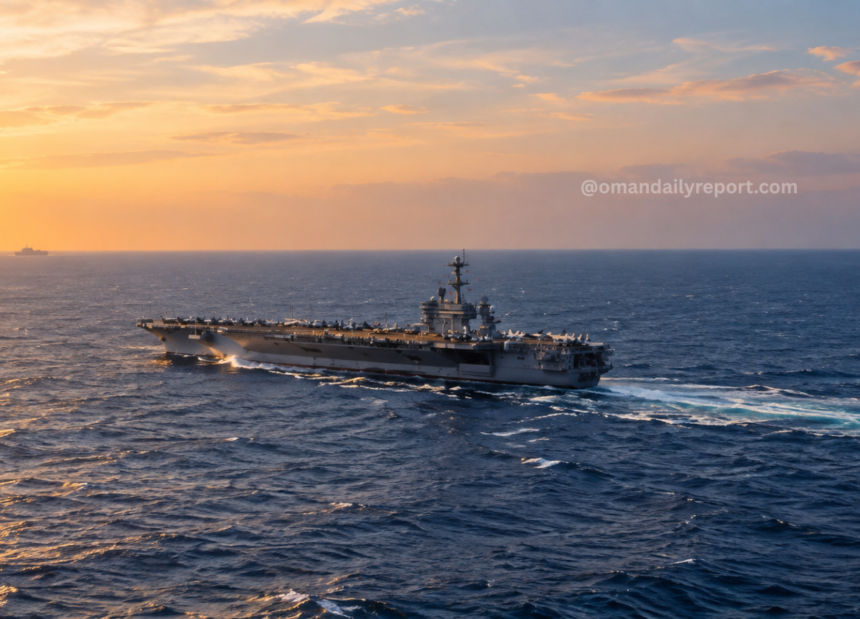
The occurrence of attacks on commercial ships sailing in the vicinity of Omani waters has significantly increased operational risks and financial costs for the international shipping industry. The new wave of unstable regional maritime events, involving drone attacks and shelling near Khasab and major Omani ports, has left ship owners, insurance firms, and energy traders with little choice but to re-assess their risk factors in the strategically important oil transit areas of the Middle East.
These developments come at a critical moment when international logistics firms have resorted to Omani deep-sea ports as safer transshipment points to avoid the dangerous area of the Strait of Hormuz. However, as localized strikes spread closer to the Sultanate’s coastal territory, maritime authorities warn that the strategic insulation previously offered by out-of-strait shipping corridors is coming under intense pressure, directly threatening energy supply chains connecting Gulf producers to worldwide destinations.
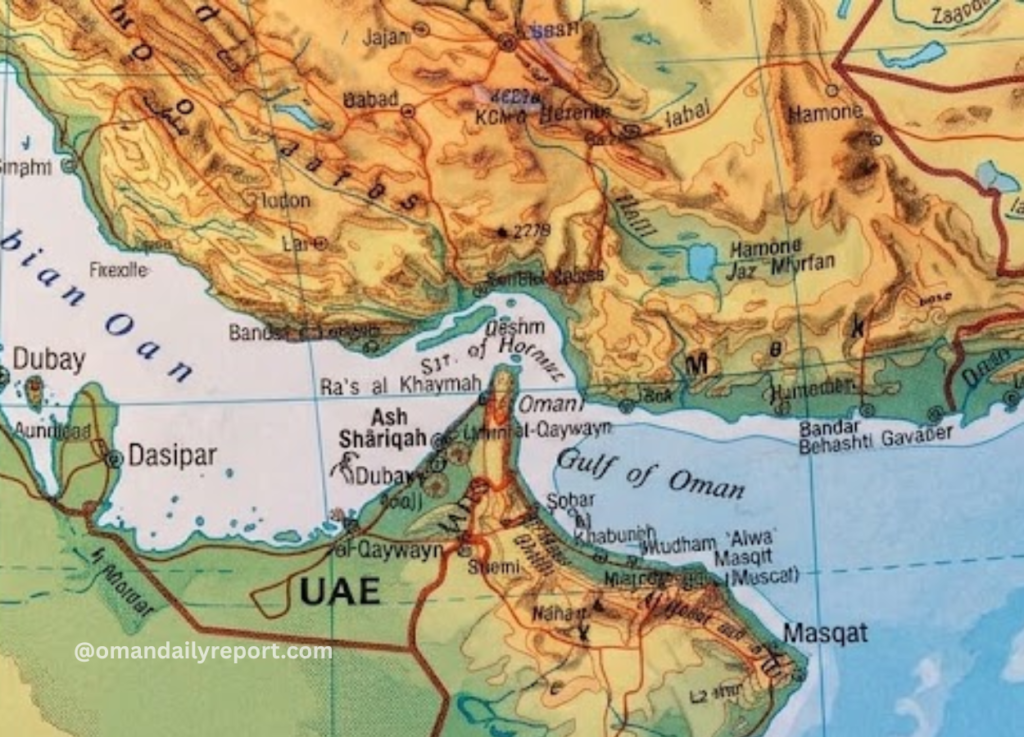
In response to the expanding danger zone, the London maritime insurance market’s Joint War Committee has formally designated broader sectors of Omani territorial waters within high-risk categories. Consequently, Additional War Risk Premiums (AWRP) for tankers operating in regional sea lanes have surged significantly, with insurance rates jumping up to 0.4 percent of total hull value for vessels transiting Omani routes, and exceeding 1 percent for broader regional transits. These escalating financial burdens, coupled with skyrocketing chartering rates and mandatory rerouting around high-risk zones, are severely thinning available tanker fleets and driving up delivered energy costs for global consumers.
Maritime security organizations have instructed merchant vessels navigating the Gulf of Oman and northern Arabian Sea to maintain maximum alert protocols and report suspicious activity immediately. Despite soaring operational expenditures, commercial demand for cargo handling along Omani infrastructure remains active as global markets struggle to adapt to the shifting security landscape.
Global logistics experts emphasize that sustained maritime instability will likely force international maritime authorities to implement enhanced naval escort protocols across strategic regional shipping channels.