


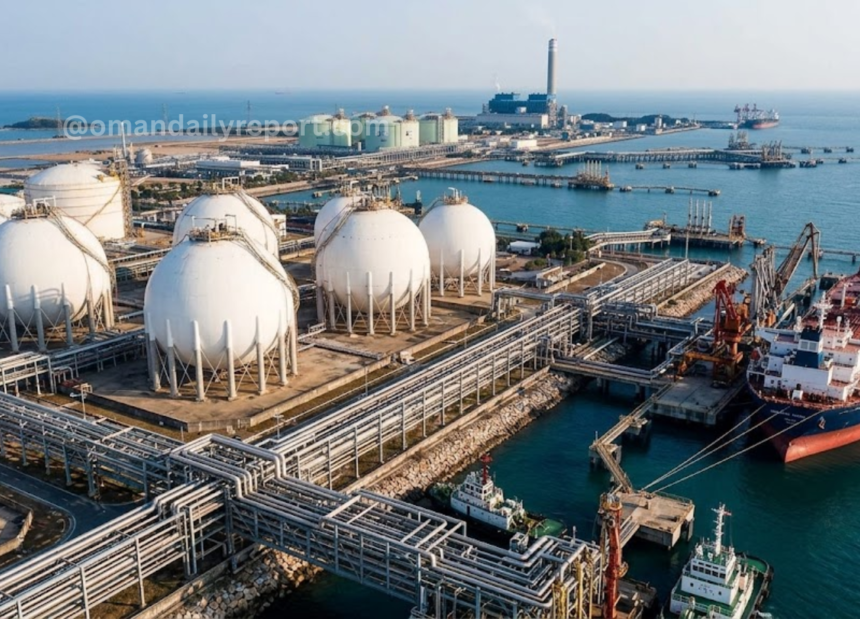
Total export volumes of crude oil from the Sultanate of Oman have been reported at a consistent growth rate of 1.9 percent per year-on-year basis to 209 million barrels by the end of August 2026. Official energy reports indicate that the international trade flows have stayed strong amid fluctuations in global energy prices.
This trend in foreign trade has been fueled by an extensive growth in the domestic upstream activities in the oil wells in Oman. According to official reports issued by the National Centre for Statistics and Information (NCSI), the total production has been increased by 11.9 percent till the end of eight months to 270 million barrels against 241.4 million barrels in 2025. On a daily operational scale, output expanded by 10.9 percent to average 1.1 million barrels per day, reflecting continuous infrastructure efficiency improvements.
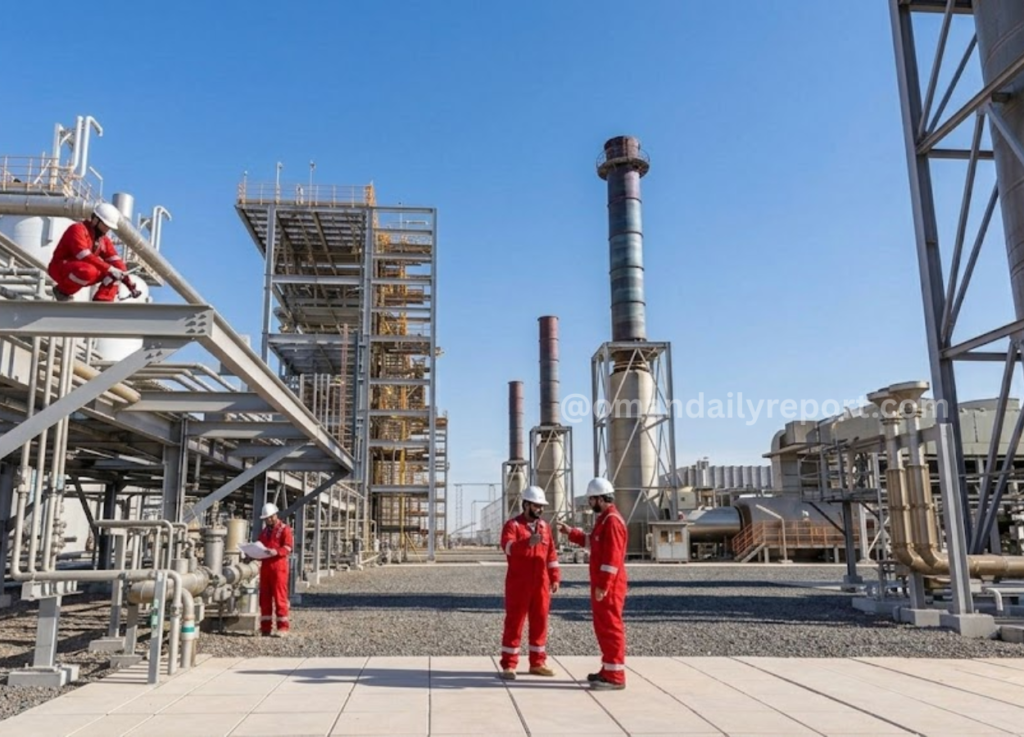
Month-on-month production figures demonstrated consistent upward momentum, progressing from 34.4 million barrels in June and 35.8 million barrels in July to reach 36.3 million barrels in August. Monthly export shipments mirrored this trajectory, scaling from 25.7 million barrels in June and 26.7 million barrels in July up to 27.1 million barrels by August.
Financially, crude realized average valuations of $83.3 per barrel between January and August, representing a 15.5 percent increase over the prior year’s eight-month benchmark of $72.1 per barrel. However, short-term market dynamics shifted in late summer, with August benchmark prices adjusting downward by 22.5 percent month-on-month to $79.1 per barrel after peaking at $102 per barrel in July.
Simultaneously, the natural gas segment maintained robust activity to satisfy expanding industrial demands. Combined local gas production and supply imports expanded by 6.4 percent to reach 40.5 billion cubic meters. Domestic allocations prioritized critical national infrastructure, leading to a 13.8 percent increase in power generation consumption to 11.7 billion cubic meters, alongside a 4.9 percent growth in industrial facility usage totaling 19.9 billion cubic meters. Gas utilization within upstream petroleum fields grew slightly by 1.5 percent to 8.7 billion cubic meters, while allocations toward designated industrial zones contracted to 126 million cubic meters.