

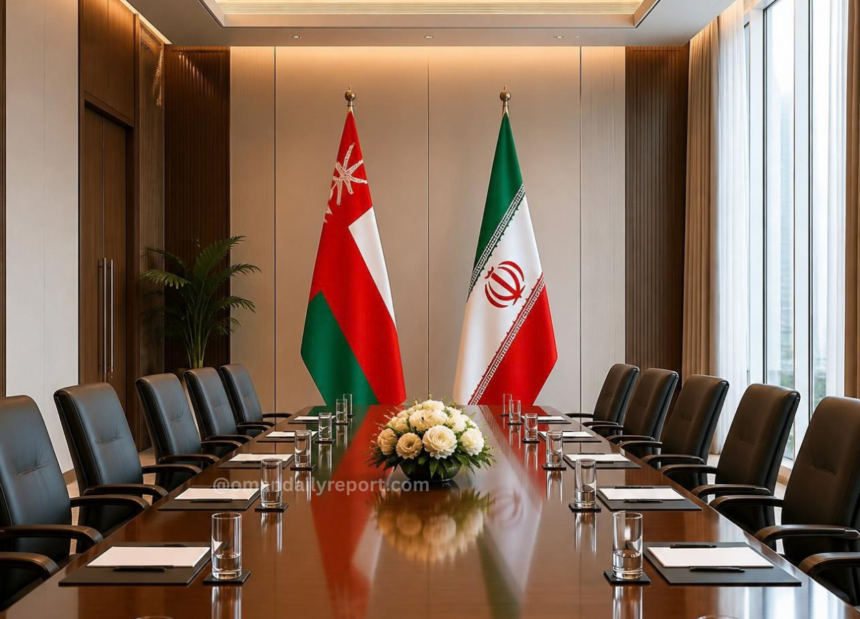
An important diplomatic meeting planned for discussions between Iran’s delegates and the neighboring Gulf states over navigation changes in the Strait of Hormuz has been postponed with no new date set. This postponement of the diplomatic discussion came in wake of a fatal marine attack on a commercial ship near Qeshm Island, together with appeals by neighboring states for wider consensus before discussion starts officially. Iraq Iran Border Reopening
This diplomatic discussion was meant to map out a bilateral plan drawn up by both Muscat and Tehran over changing the commercial navigation route through the waterway. In accordance with this new scheme, incoming ships bound for the Gulf region will pass only through Iran’s territorial waters, while outgoing ships will use the waterways of Oman and Iran together. However, diplomatic alignment among neighboring states remains pending, prompting mediation partners to pause proceedings.
His Excellency Sayyid Badr Albusaidi, Foreign Minister of Oman, affirmed that the decision to defer the assembly was taken in the interest of consensus and regional harmony. He reiterated the Sultanate’s unwavering dedication to facilitating constructive dialogue, noting that Muscat remains committed to promoting regional stability, enduring diplomatic cooperation, and safe passage for maritime trade across critical waterways.
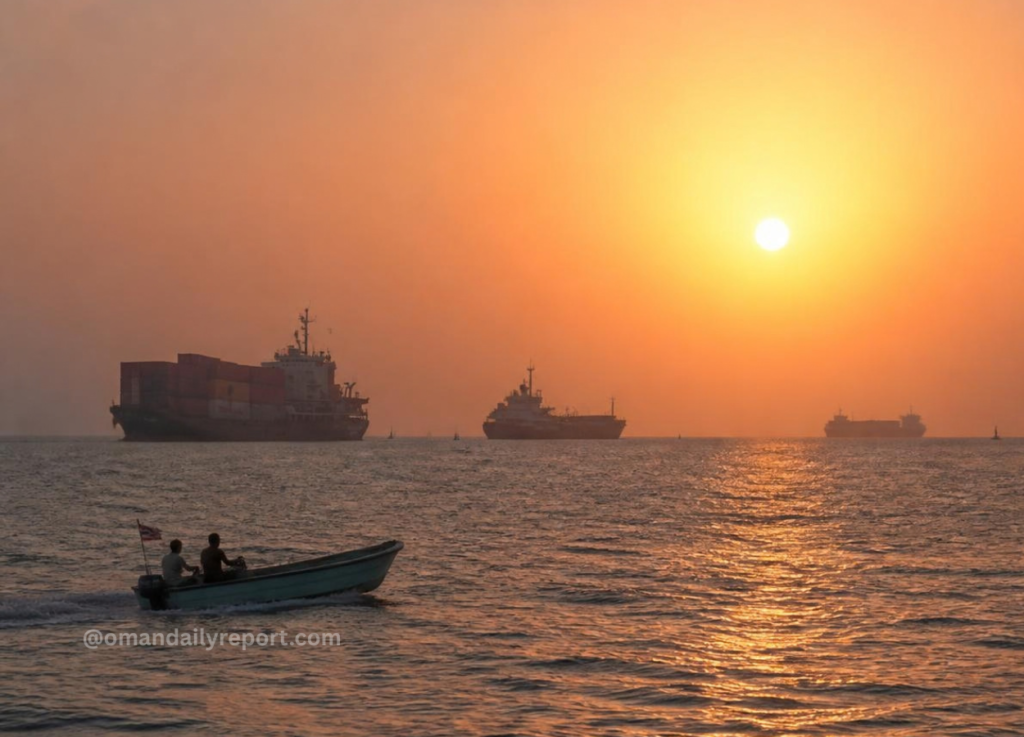
The deferral highlights complex geopolitical dynamics in the region. Iranian officials have maintained that any formal reopening or normalized operational framework for the Strait depends on resolving wider diplomatic conditions. Concurrently, neighboring Gulf states, including Saudi Arabia, expressed reservations regarding the long-term governance and economic implications of the proposed transit system, emphasizing the necessity for multilateral consensus before enacting structural adjustments to regional trade channels.
Uncertainties surrounding the waterway have already affected global energy markets, as the corridor handles a significant volume of international crude exports. Disruptions in regional transport infrastructures and security concerns near Hormuz continue to influence global oil pricing dynamics. Authorities in Muscat continue to maintain open diplomatic channels with all participating nations to establish a suitable environment for future multilateral engagement once regional consensus is achieved. Oman Daily Report